
In a digital marketplace, cybersecurity has shifted from being a corporate buzzword to an essential component of any small business operation. With threats ranging from data breaches to costly ransomware attacks, small firms are at risk of severe losses and reputational damage. With the right approach, however, small businesses can safeguard their digital assets without a substantial financial outlay.
Cybersecurity may seem daunting at first glance, especially for businesses with limited resources, but I’m here to show you that it’s within reach. Cybersecurity does not need to be an excessive expense—it’s an investment in the longevity and trust of your small business.
Understanding Cybersecurity for Small Business
Cybersecurity involves practices and measures that are taken to protect computer systems and data from unauthorized access. For small businesses, this includes securing sensitive customer information, intellectual property, and internal communications.
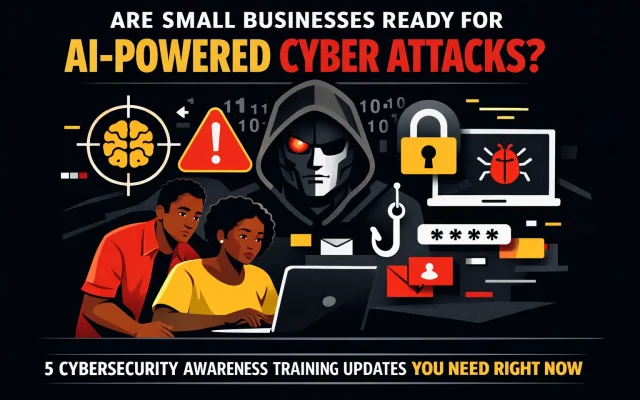
Small companies often mistakenly believe that they are too small to be targets. However, the truth is quite the opposite. Larger enterprises may have more data, but they also have more resources to protect themselves, which makes small businesses more attainable targets for cybercriminals.
Risks Faced by Small Businesses
Data Breaches
A single cybersecurity incident can result in the loss of customer trust and loyalty, not to mention the cost of recovery. Data breaches are particularly damaging as they can lead to loss of proprietary data, personal information theft, legal repercussions, and even the collapse of enterprises.
Financial Loss
Cyberattacks can have a significant, sometimes fatal, financial impact on small businesses, often resulting in direct monetary losses that can take months or even years to recover from.
Reputation Damage
The loss of customer data can severely damage a small business’s reputation. Restoring the trust of your customers can be a long and arduous process that may never be fully achieved.
Benefits of Cybersecurity Solutions
Protection of Sensitive Data
Investing in cybersecurity ensures that sensitive information remains confidential and is not accessible by unauthorized individuals. This protection extends to not only customer information but also intellectual property and employee details.
Prevention of Cyber Attacks
Effective cybersecurity measures can significantly reduce the likelihood and impact of cyber attacks. By implementing robust defense strategies, small businesses can ward off many common threats.
Compliance with Regulations
Many industries have cybersecurity regulations that require certain levels of protection for customer data. Adhering to these regulations not only avoids hefty fines but also instills confidence in customers that their data is handled responsibly.
Cost-Effective Solutions for Small Businesses
Antivirus and Antimalware Software
Installing reputable antivirus and antimalware software is a foundational step in protecting against common threats. These programs can detect and eliminate malicious software before it causes damage.
Secure Networks with Firewalls
Firewalls provide a barrier between your data and cyber criminals, monitor incoming and outgoing network traffic, and decide whether to allow or block specific traffic based on a defined set of security rules.
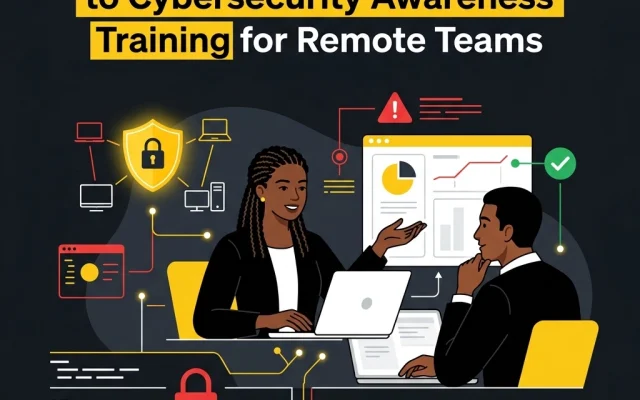
Employee Training and Education
One of the most common entry points for cybercriminals is through employee negligence. Regular training sessions can ensure that your staff is up to date on the latest cybersecurity threats and best practices.
Continuous Monitoring of Systems
Being proactive against potential threats can save small businesses time, resources, and diminished customer trust.
Case Studies and Examples
Case Study A: Financial Services Firm
A small financial services firm invested in robust cybersecurity measures that included encryption, multi-factor authentication, and regular security audits. When targeted by a sophisticated phishing attack, their security protocols allowed them to detect, contain, and eliminate the threat before any data was compromised.
Case Study B: Online Retailer
An online retailer suffered a data breach that exposed customer credit card information. In the aftermath, the retailer not only incurred significant financial losses but also experienced a severe decline in customer trust. After implementing stronger security measures, including a comprehensive data protection policy, the retailer saw customer confidence begin to rebuild.
Conclusion
Cybersecurity shouldn’t be seen as an add-on but as a core component of your small business strategy. By investing in affordable solutions, training your staff, and prioritizing the protection of your digital assets, you can safeguard your business against the growing threats of the online world.
The costs of not investing in cybersecurity greatly outweigh the initial expense. With Arch Group’s 17 years of experience, we are uniquely positioned to guide small business owners through the process of implementing an effective cybersecurity strategy that aligns with their budget and needs.
Don’t become another statistic in the rising tide of cybercrime. Take the necessary steps today to protect your business for a secure tomorrow.

2 Responses